Almost everyone experiences back or neck pain at some point in life. Whether it is a dull, persistent ache after sitting at an office desk for hours, or a sudden, sharp catch while lifting something heavy, spine issues can completely disrupt your daily routine.
When spinal discomfort strikes, the path to recovery can feel incredibly confusing. You will likely hear a flood of conflicting advice from well-meaning friends, family, and the internet. Some might tell you, “Go see a chiropractor for a quick alignment.” Others might warn, “That sounds serious, you need to book an appointment with a spine surgeon right away.”
Choosing the wrong approach can delay your recovery, waste money, or, in severe cases, risk permanent nerve injury. This comprehensive guide clarifies the differences between a spine surgeon and a chiropractor, explains what each professional does, and highlights exactly when it is safe to try conservative care versus when you need specialized medical intervention.
Understanding the Two Approaches
Before deciding where to book an appointment, it is vital to understand the fundamental differences in training, philosophy, and treatment tools used by spine surgeons and chiropractors.
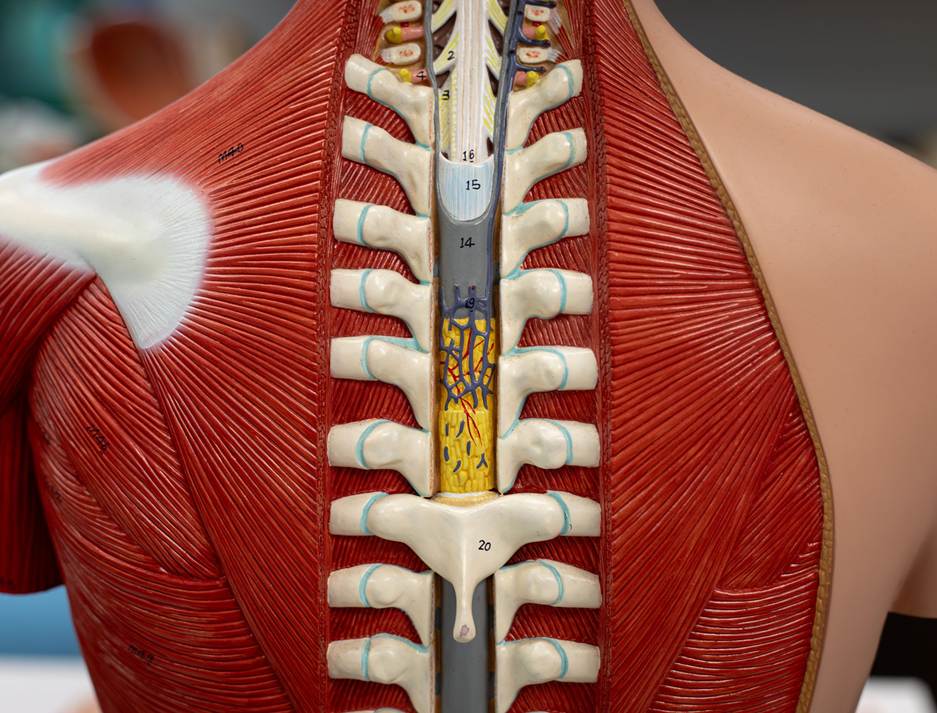
The human spine: a complex structure protecting critical neural pathways.. Source: DrWD40 / Getty Images
What is a Chiropractor?
Chiropractors are healthcare professionals focused on the musculoskeletal system, particularly the spine. Their primary treatment method is manual therapy, specifically spinal manipulation or “adjustments.”
- The Philosophy: Chiropractic care centers on the idea that mechanical misalignment of the spine (often referred to as subluxation) can interfere with the nervous system and the body’s natural ability to heal itself.
- The Methods: Chiropractors use their hands or specialized small instruments to apply a controlled, sudden force to a spinal joint. The goal is to improve spinal mobility, relieve localized muscle tension, and restore physical function.
- What They Do Not Do: Chiropractors are not medical doctors (MDs). They do not perform surgery, prescribe pharmaceutical medications, or inject medications into the spine.
What is a Spine Surgeon?
A spine surgeon is a fully licensed medical doctor (MD) or osteopathic doctor (DO) who has completed a five-to-six-year residency in orthopedic surgery or neurosurgery, followed by highly specialized, advanced fellowship training dedicated entirely to spinal disorders.
- The Philosophy: Spine specialists view back and neck pain through an all-encompassing medical lens. They evaluate how structural changes—like a herniated disc, bone spurs, fractured vertebrae, or spinal cord compression—impact your overall neurological health and physical longevity.
- The Methods: A spine surgeon’s toolkit is broad. It includes advanced diagnostic imaging (like high-resolution MRI and CT scans), targeted prescription medications, specialized physical therapy regimens, and minimally invasive spinal injections. If structural damage threatens the nerves or causes debilitating pain that fails to improve with time, they perform precision surgical procedures to fix the structural issue.
- A Crucial Misconception: Seeing a spine surgeon does not automatically mean you will end up on an operating table. In reputable practices, the vast majority of patients are successfully treated using advanced, non-surgical conservative therapies. Surgery is strictly reserved as a final option when structural fixes are necessary to protect your mobility.
When is Chiropractic Care Appropriate?
For certain types of back pain, starting with conservative, non-medical care like chiropractic therapy can be highly beneficial.
1. Acute, Mechanical Low Back Pain
Mechanical back pain means the ache is localized within the muscles, ligaments, or the small facet joints of the spine. It usually occurs due to minor strain, poor posture, or an awkward twist. If you woke up with a stiff lower back or strained a muscle during a light workout, a chiropractor can help ease muscle spasms and improve local joint mobility.
2. Postural Strains from Desk Work
Sitting for extended hours can cause localized muscle imbalances and joint stiffness in the upper back and neck. Manual adjustments, paired with ergonomic advice, can provide rapid, temporary relief from this everyday stiffness.
3. Joint Stiffness with Normal Movement
If your back feels “tight” or “locked up,” but you do not experience pain shooting down your limbs, a short course of chiropractic care can help restore flexibility and comfort.
The 4-to-6 Week Rule: Chiropractic treatment should yield noticeable improvements within a few sessions. If you undergo continuous care for 4 to 6 weeks and your pain remains unchanged or worsens, it is time to stop manual adjustments and consult a medical spine specialist.
When You Must See a Spine Surgeon
Certain symptoms indicate that the underlying issue is not a simple muscle strain or joint stiffness. Instead, it involves structural compression or damage to critical nerves or the spinal cord. In these scenarios, manual manipulation can actually worsen the problem, making an evaluation by a spine surgeon essential.

A specialized medical consultation helps identify structural spine conditions.. Source: SDI Productions / Getty Images
1. Sciatica or Shooting Pain Down the Limbs
If you experience a sharp, electric, or burning pain that travels from your lower back down through your buttock and into your thigh, calf, or foot, this is called sciatica. Similarly, pain traveling from your neck down your arm is a clear sign of nerve root compression, usually caused by a herniated disc or a bone spur. Manual force applied directly to an already compressed nerve can increase inflammation and risk nerve damage.
2. Neurological Deficits: Numbness, Tingling, or Weakness
When a nerve is severely compressed, it stops transmitting electrical signals properly. This results in:
- A “pins and needles” sensation or total numbness in a hand, arm, leg, or foot.
- Physical weakness, such as difficulty lifting the front part of your foot when you walk (a condition known as foot drop), or dropping objects frequently because your hand feels weak.
A spine surgeon must evaluate these deficits using an MRI to determine exactly how much pressure is on the nerve and prevent permanent loss of function.
3. Pain That Worsens at Night or Rest
Normal mechanical back pain typically feels better when you lie down or rest. If your back pain becomes excruciatingly painful when you lie flat, wakes you up from a deep sleep, or is accompanied by an unexplained fever or sudden weight loss, it can point to serious underlying conditions such as a spinal infection or a tumor. This requires immediate medical diagnostic testing.
4. Chronic Pain That Fails to Improve
If you have tried physical therapy, massage, chiropractic care, and medications for over six weeks, and your back pain still severely limits your ability to walk, work, or enjoy life, a spine specialist can offer advanced diagnostics and targeted interventions.
Spine Red Flags: When to Go to the Emergency Room
There are certain spinal symptoms that constitute a true medical emergency. If you experience any of the following, do not wait for a clinic appointment or an adjustment—go straight to the nearest hospital emergency room:
- Loss of Bowel or Bladder Control: Suddenly losing the ability to control your urination or bowel movements, or experiencing an inability to pass urine.
- Saddle Anesthesia: A progressive numbness or complete loss of sensation in the areas of your body that would touch a riding saddle—your groin, buttocks, inner thighs, and perineum.
- Sudden, Severe Weakness: Suddenly losing the ability to move your legs or feet, making it impossible to stand or walk.
These are hallmark symptoms of Cauda Equina Syndrome, a rare but critical emergency where the bundle of nerves at the base of the spinal cord is severely compressed. Delayed medical treatment can result in permanent paralysis or lifelong incontinence.
Direct Comparison: Chiropractor vs. Spine Surgeon
To help you visualize the distinct pathways of care, this table outlines the key differences between the two professions:
| Feature | Chiropractor | Spine Surgeon (MD / DO) |
| Primary Focus | Functional and manual relief of localized joint stiffness and muscle aches. | Comprehensive medical diagnosis, structural repair, and nerve protection. |
| Education & Training | Doctor of Chiropractic (DC) degree; not a medical doctor. | Medical School (MD/DO) + Orthopedic or Neurosurgery Residency + Spine Fellowship. |
| Diagnostic Capabilities | Basic physical exams and standard digital X-rays. | Advanced neurological testing, high-resolution MRI, CT scans, and diagnostic blocks. |
| Treatment Modalities | Manual adjustments, mobilization, soft tissue therapy, lifestyle tips. | Custom physical therapy, advanced nerve medications, precision injections, and advanced surgery. |
| Ideal For | Acute muscle spasms, postural strains, generalized joint stiffness without radiating pain. | Disc herniations, sciatica, spinal stenosis, numbness, weakness, fractures, and chronic pain. |
How a Spine Surgeon Treats You Without Surgery
One of the biggest hurdles that keeps patients from seeing a spine specialist is the fear of surgery. It is vital to understand that a spine surgeon’s goal is to resolve your pain using the least invasive method possible. At a dedicated clinic like the Bangalore Spine Specialist Clinic, surgery is only discussed if comprehensive conservative care does not provide relief, or if your nerves are in immediate danger.
If you consult a spine surgeon, your non-surgical treatment path might include:
[Advanced MRI/CT Diagnosis] ➔ [Custom Physical Therapy & Core Strengthening] ➔ [Targeted Nerve Medications] ➔ [Precision Spinal Injections]
1. Targeted Physical Therapy
Not all exercise is good for back pain. A spine specialist works closely with clinical physical therapists to design a highly specific exercise regimen tailored to your diagnosis. For instance, the exercises needed for a herniated disc are completely different from those required for spinal stenosis (narrowing of the spinal canal).
2. Advanced Medical Management
A medical doctor can prescribe targeted medications that specifically calm irritated nerves, such as gabapentinoids, short courses of specialized anti-inflammatories, or muscle relaxants that go far beyond standard over-the-counter painkillers.
3. Precision Spinal Injections
If oral medications and therapy are not enough, a spine surgeon can perform image-guided injections—such as epidural steroid injections or facet joint blocks. Using real-time X-ray guidance (fluoroscopy), a precise dose of anti-inflammatory medication is delivered directly to the exact nerve root that is swollen and irritated, providing profound pain relief that allows you to rehabilitate effectively.
Making the Safe Decision for Your Health
If you are currently dealing with back or neck issues, take a moment to evaluate your symptoms carefully before choosing where to go.
Start with a Chiropractor if:
- Your pain is completely contained in your back or neck without traveling to your limbs.
- The pain began very recently after a mild physical strain or a long period of sitting.
- You have no numbness, tingling, or weakness in your arms or legs.
Consult a Spine Surgeon immediately if:
- Your pain radiates down your arm or past your knee into your leg.
- You feel any loss of sensation, numbness, or physical weakness in your limbs.
- Your pain is chronic (lasting longer than six weeks) and has not responded to rest or basic therapies.
- You have underlying health conditions like osteoporosis, a history of cancer, or a recent high-impact fall or accident.
Your spine is the central pillar of your mobility and protects your body’s vital nervous system control center. When choosing who to trust with your spinal health, prioritizing an accurate, medically sound diagnosis is always the safest first step.
Dr. Shashidhar B.K. is a highly accomplished Consultant Spine Surgeon based in Bangalore, with extensive experience managing complex spinal disorders using both comprehensive non-surgical protocols and state-of-the-art minimally invasive surgeries. If you are struggling with persistent back pain, sciatica, or neck discomfort, book a thorough clinical evaluation at the Bangalore Spine Specialist Clinic to get a clear diagnosis and a personalized roadmap to recovery