Spine Surgery is complex and high-risk. It is used in patients with spinal abnormalities, whether it is treating herniated discs, spinal degeneration, spinal tumors, fractures from osteoporosis, spinal curvature or deformities, and abnormalities affecting daily life. If non-surgical treatments do not improve the symptoms, surgery is necessary to restore quality of life.
Why undergo spine surgery?
The general indications for spine surgery are as follows:
- Severe pain that is unbearable
- Muscle atrophy or weakness
- Inability to control urination or bowel movements
- Patient has received general treatment for at least 6-8 weeks but symptoms have not improved
Spine Surgery Approaches
Surgery for herniated discs and lumbar nerve canal expansion includes:
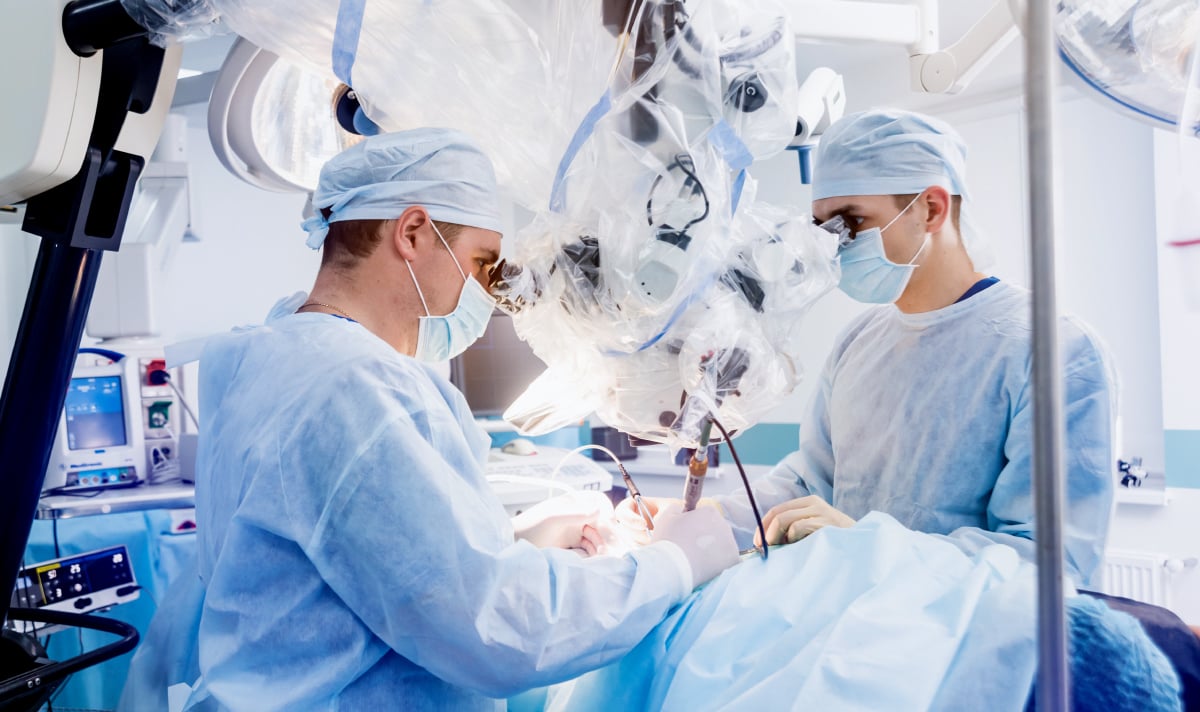
- Microscopic surgery (Microscope)is a surgery for herniated discs using a small magnifying camera to help remove the herniated disc pressing on the spine and nerves. It may involve small incisions or muscle openings, depending on the patient’s symptoms and severity.
- Endoscopic surgery (Endoscope)involves inserting an endoscope through a small incision of about 8 millimeters to get a clear view of the nerves. The surgeon cuts only the problematic part of the nerve without removing healthy muscles. Patients recover quickly and can move immediately after surgery.
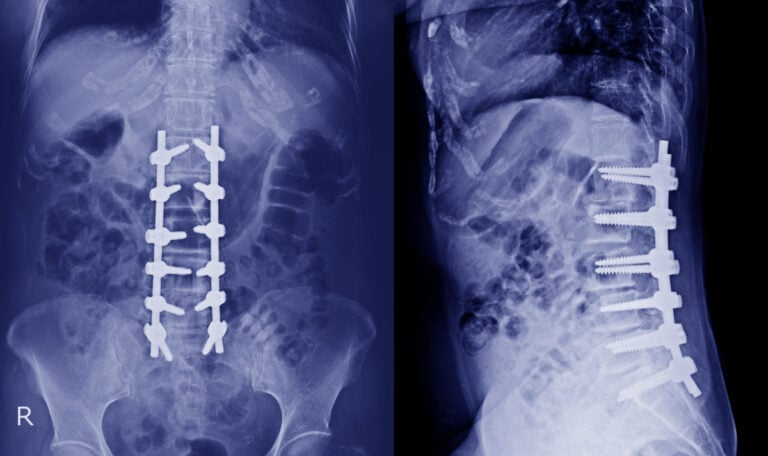
- Spinal fusion surgery (Spinal Fusion)fuses the spine to relieve severe pain from vertebral movement, abnormal disc movement, or nerve entrapment. This involves using metal screws and artificial intervertebral discs to stabilize the vertebrae. It is typically used to treat patients with vertebral slippage causing nerve compression and spinal curvature deformities
- Minimally invasive transforaminal lumbar interbody fusion (MIS TLIF) surgery uses small incisions to insert devices into the spine. A camera helps locate and remove the deteriorating or misaligned lumbar intervertebral disc. The surgeon then fuses the spine using the patient’s own bone and metal devices through small skin incisions. Using 3D X-ray imaging (O-arm) and navigation systems ensures precise positioning, resulting in small wounds and rapid recovery.
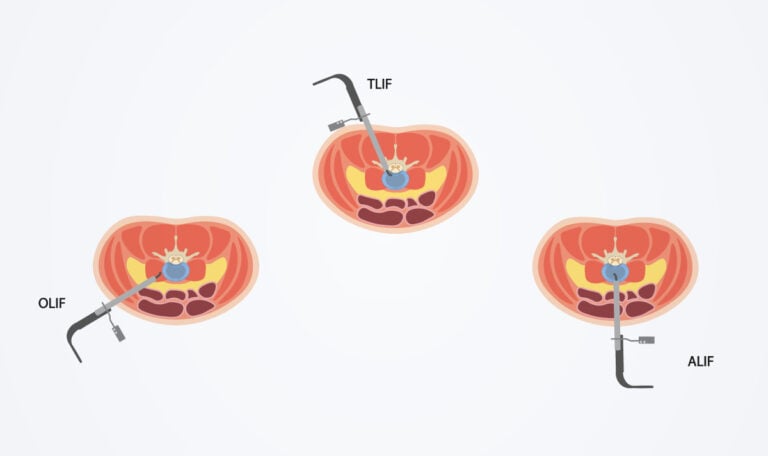
- Anterior lumbar interbody fusion (ALIF) is a surgery to reinforce the intervertebral discs from the front without damaging the back muscles. It is for patients with deteriorating intervertebral discs, spinal abnormalities, and spinal tumors.
Advantages of Spine SurgeryMIS SPINE
- Small wounds
- Rapid recovery
- Less blood loss
- Low infection rates
- Reduced postoperative pain from muscle damage
- Maintains the original structure of the patient’s spine
However, patients with spinal issues should consult specialists for careful evaluation and proper planning of spine surgery . Follow medical advice and prepare for spine surgery as well as postoperative care to ensure satisfactory results.
At the Bangalore Spine Specialist Clinic, we are committed to helping you choose the best option for your specific needs. Our goal is to ensure you receive the most effective treatment while minimizing recovery time and maximizing your quality of life.
If you’re experiencing spinal issues and looking for a trusted spine surgeon in Bangalore, don’t hesitate to reach out Dr.Shashidhar.B.K, best spine surgeon in Bangalore for a consultation. Together, we can determine the best course of action for your health and well-being. Thank you for reading, and I look forward to assisting you on your journey to recovery!